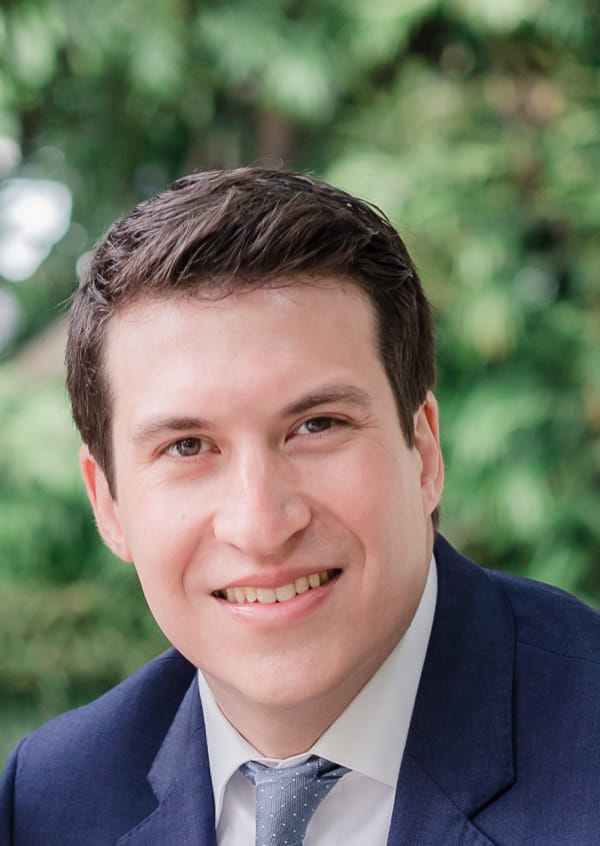
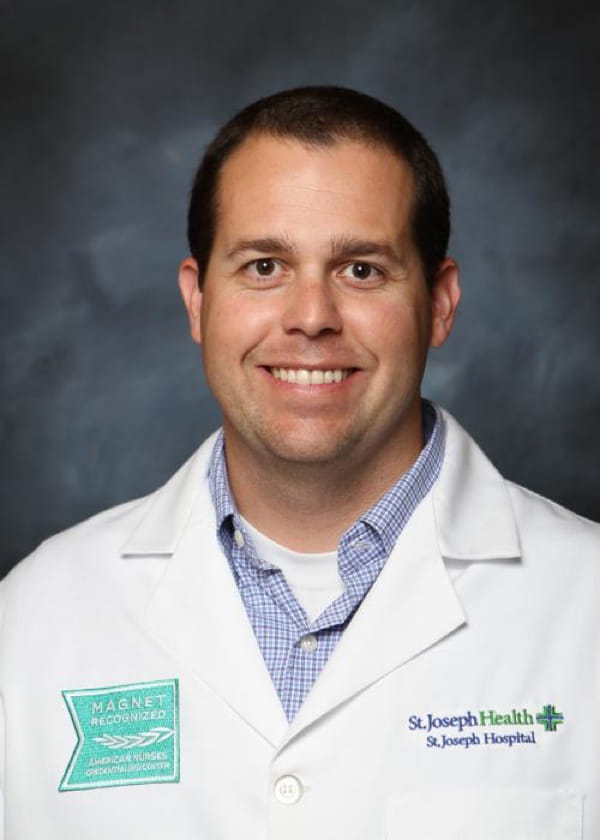
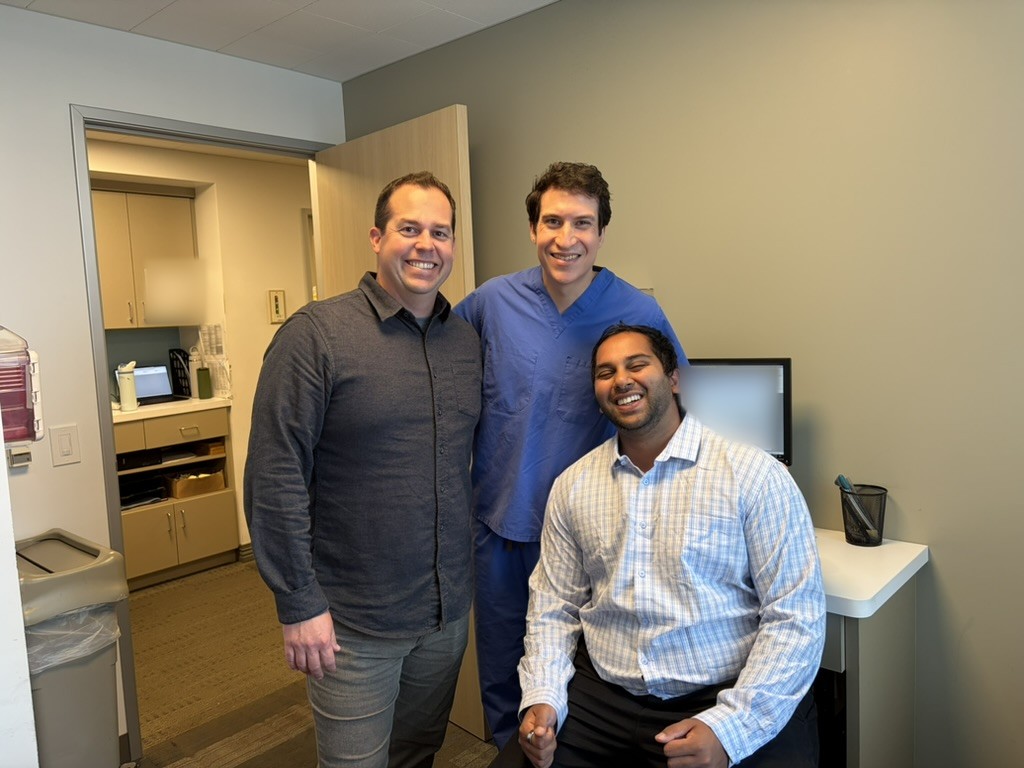
Orthopaedic Specialty Institute Medical Group of Orange County is a physician-owned orthopaedic group that has served Orange County for more than two decades, from main offices in Orange and Irvine and a network of affiliated subdivision practices across the county. Dr. Daniel Gittings and Dr. Adam Rivadeneyra were the first two clinicians at OSI to try Mira, and this is their story.
We spent a Friday in early August at the Orange office, catching up and moving between clinic rooms with the two of them.
One template, a thousand encounters
Dr. Gittings is a hand and upper extremity surgeon who trained at the University of Pennsylvania. Three months after picking up Mira, he has run more than a thousand encounters through it, and his setup story is the reason. “It was pretty seamless,” he said. “I took one of my pre-existing notes and uploaded it to Mira, and the system generated a template for me.”
For the first few weeks he read every note in fine detail and kept refining the template’s instructions until the output met his standard. He was deliberate about what that standard was:
I wanted a single streamlined setup that seamlessly captures all the necessary clinical detail and complexity without forcing me to switch between multiple templates.
That middle part deserves a double-click. A hand visit is rarely simple: even a first-time thumb arthritis consult can cover bracing, injection options, and a real conversation about surgery and its risks. His template is built so the note captures everything the visit actually contained, and the billing level follows from that. The best part? Since the second or third week, he hasn’t changed a thing.
The result, in his words: “My experience with Mira, it’s been saving me probably about an hour per day in documentation. The accuracy and the detail of the notes is far better, higher quality than my notes that I was doing dictating.”
The walk-out procedure note
Dr. Adam Rivadeneyra, “Dr. Riva” around the clinic, is a non-surgical sports medicine physician who does a high volume of ultrasound-guided injections, PRP, nerve blocks, and epidurals, and the other half of OSI’s first pair. He, also, now uses Mira on 100% of his encounters, but he approaches templates completely differently. His procedure workflow is the best demonstration of template discipline we have seen.
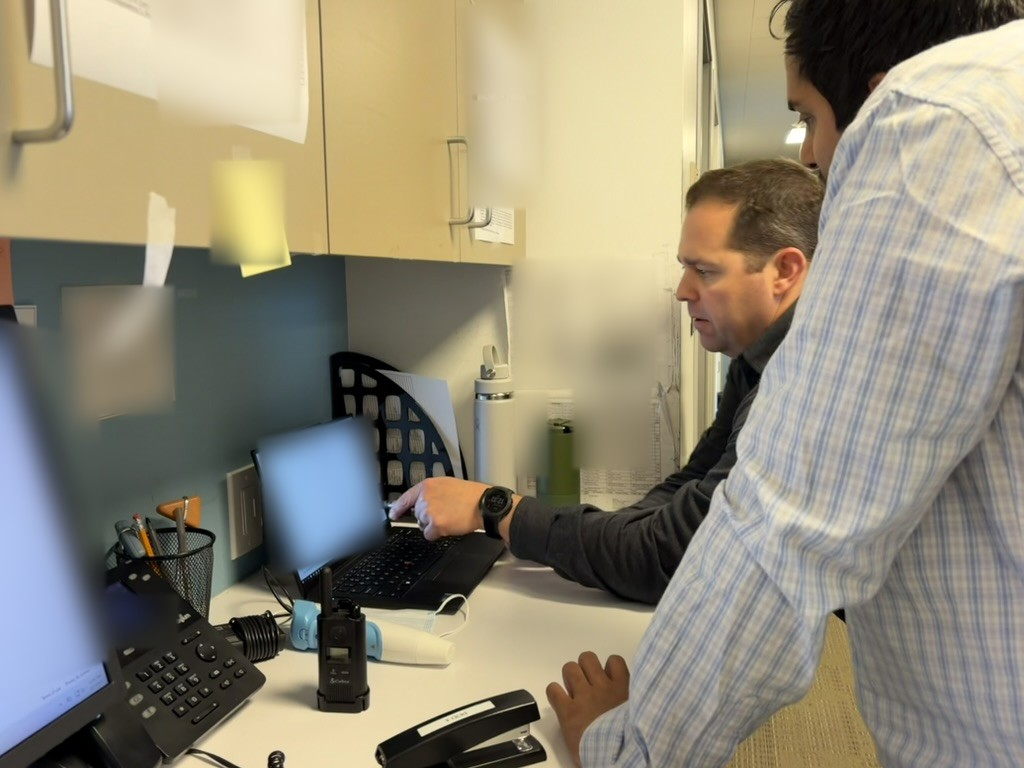
Each procedure has its own template, and each template carries instructions. As he explained: “I put instructions in there to say, here’s my typical injection template, but I need you to specify laterality, body part, dose of medication.” The visit itself then does the documenting. In his words:
“I tell the patient, I’m gonna give you a cortisone shot in your knee right now, and I’ll walk out. As I walk out, I say 40 milligrams of Kenalog into the knee joint. And that’s all I say.” Mira drops his procedure template into the note, filled in with the laterality, the site, and the dose he just spoke.
It just has removed so much stress. I know the notes are done.
“I literally spend seconds on my notes now,” he told us. The benefit shows up for patients too: when someone asks for a record of the visit on the way out, his staff prints Mira’s auto generated patient summary and hands it over, google review link included. “That’s been super helpful,” he said.
The line item that started it
OSI’s documentation history explains why both doctors moved so fast. For years the practice ran on human transcription at 11 cents a line, billed even when the transcriptionist was pasting a pre-made template into the note. Dr. Riva remembers the moment leadership added it up: “We finally looked at the number. Are you kidding me? We’re spending a boat load a year on transcription.”
The practice moved to Dragon about four years ago, which cut the cost but kept every physician dictating every line. Ask the two of them about Dragon today and you get the same answer twice. “I stopped using it,” Dr. Gittings said. “I stopped using it too,” Dr. Riva added.
What the first two started
What happened next is the part Mira is proudest of, because we did none of the selling. Bri, one of OSI’s physician assistants, modeled her template on a colleague’s and now helps other providers and subdivision offices get set up. The practice mood is best summarized by Dr. Gittings: “I think everyone who’s used it has been really happy. And people who are not tech savvy either.”
Word has traveled the way it does in a close practice: as the two of them share what they’ve built with coworkers, Mira is now in the hands of 34 providers across OSI.
Dr. Gittings put the working relationship better than we could: “I love your product and believe in it. You guys are incredibly receptive to feedback.”
That loop is everything to us. OSI’s clinicians keep telling us what a working day should feel like, and we keep building toward it.